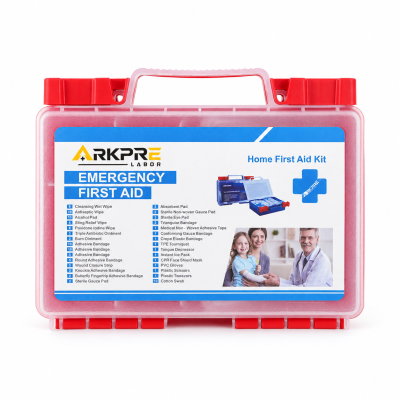
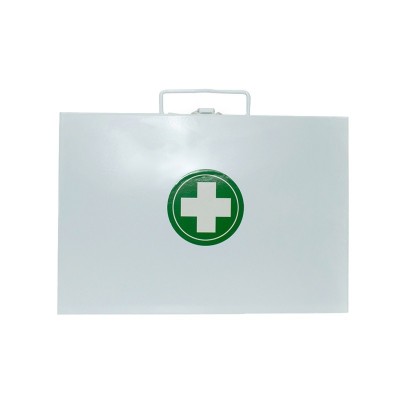
Make Your Own First Aid Kit vs Private Label: The Real Cost for Growing Brands
For a growing brand planning fewer than 5,000 kits a year, buying supplies separately can look economical. A pouch, dressings, gloves and tape are easy to price. The harder calculation includes assembly, inspection, surplus components, documentation and the cash tied up before the first sale.
Whether you make your own first aid kit in-house or commission a private-label supplier, compare the cost of a finished, saleable unit delivered to the same warehouse. Use the same contents, packaging and acceptance criteria for both options.
Quick answer: In-house assembly can suit small trials and frequently changing configurations. Private label can become more economical when repeatable production and consolidated purchasing reduce variable costs enough to offset setup charges and order minimums. The break-even volume depends on your actual quotations, labor, quality requirements and usable inventory.
The analysis below addresses brands selling kits. Personal home or travel preparation involves a different purpose and scale. Commercial requirements are discussed primarily for US and EU markets.
Make Your Own First Aid Kit: What DIY Actually Costs per Unit
Start with a bill of materials that identifies each component, specification, quantity and purchasing unit. "Ten gauze packs" is incomplete if one supplier packs one pad per pouch and another packs two.
Then calculate cost per accepted kit. Include the following cost groups.
| Cost group | What to capture |
|---|---|
| Components and carrier | Dressings, bandages, gloves, tape, accessories and pouch or case |
| Inbound logistics | Transport, duties and receiving costs for all component orders |
| Assembly | Picking, counting, placement and packing time |
| Quality control | Inspection, corrections and records required to release the kit |
| Packaging | Retail box, instructions, labels, shipping carton and setup charges |
| Inventory losses | Damaged packs, missing components, obsolete artwork and expiry exposure |
| Product and regulatory work | Applicable assessment, documents, labeling review, testing and establishment obligations |
| Storage and administration | Space, purchasing, inventory records and supplier coordination |
Use loaded labor cost, including applicable employment costs. If packing takes six minutes at $18 per hour, assembly alone costs $1.80 per kit. Add inspection time separately unless the measured process already includes it.
For example, receiving 1,000 components with 20 unusable units produces 980 usable units. A $500 purchase therefore costs approximately $0.51 per usable component. Record the cause of each loss so the next order can address it.
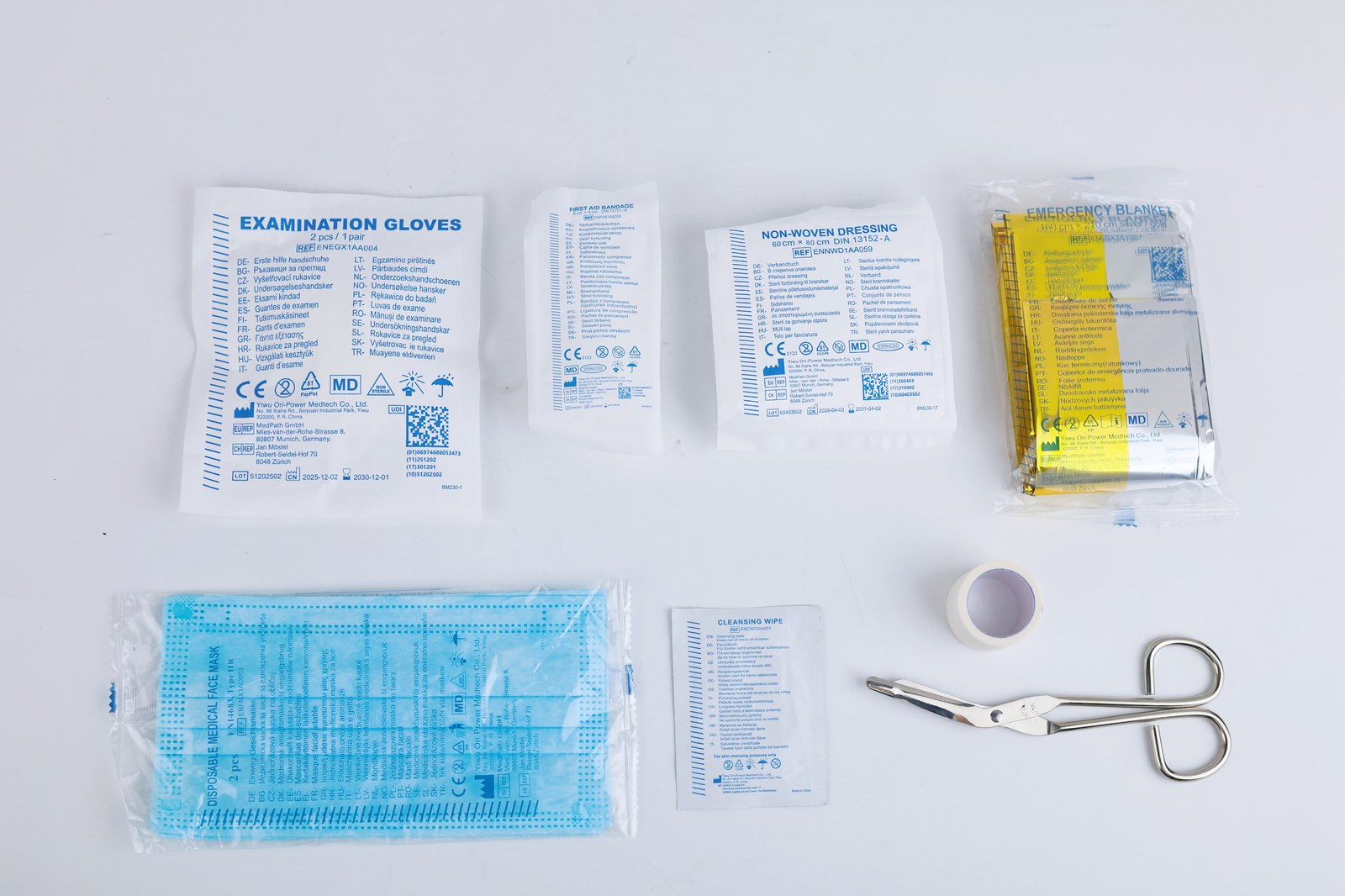
Compare Equivalent Finished Kits
The following model assumes identical contents and retail packaging, delivery to the same warehouse and comparable quality requirements. All figures are hypothetical USD inputs.
| Cost input | In-house assembly | Private label |
|---|---|---|
| Purchased components and carrier | $6.20 | Included in finished-kit price |
| Assembly labor | $1.80 | Included |
| Inspection and routine rework | $0.45 | Buyer allowance included below |
| Packaging and consumables | $0.55 | Included in finished-kit price |
| Inbound freight and receiving | $0.60 | Included in allowance below |
| Expected variable losses | $0.40 | Included in allowance below |
| Finished-kit supplier price | — | $7.40 |
| Buyer freight, duties, receiving, inspection and loss allowance | — | $1.10 |
| Variable cost per accepted kit | $10.00 | $8.50 |
| Illustrative fixed project cost | $600 | $1,800 |
The fixed-cost figures represent example setup budgets. Build a full project budget for your actual regulatory route, testing and artwork. Business overhead and selling costs require separate treatment unless allocated consistently to both alternatives.
Is It Cheaper to Make Your Own First Aid Kit Than to Private Label?
Use two equations, where Q is the number of accepted kits:
In-house total cost = fixed in-house cost + Q x in-house variable cost
Private-label total cost = fixed private-label cost + Q x private-label variable cost
With the assumptions above:
Break-even quantity = ($1,800 - $600) / ($10.00 - $8.50) = 800 kits
| Accepted kits | In-house total | In-house cost per kit | Private-label total | Private-label cost per kit |
|---|---|---|---|---|
| 500 | $5,600 | $11.20 | $6,050 | $12.10 |
| 800 | $8,600 | $10.75 | $8,600 | $10.75 |
| 1,000 | $10,600 | $10.60 | $10,300 | $10.30 |
| 3,000 | $30,600 | $10.20 | $27,300 | $9.10 |
| 5,000 | $50,600 | $10.12 | $44,300 | $8.86 |
These results illustrate the arithmetic. They are conditional on suppliers accepting the stated quantities and the cost assumptions holding. They are not ORI-POWER prices or industry benchmarks.
At 500 units, in-house assembly has the lower modeled cost. At 1,000 units, private label is slightly lower. Changing labor time, freight or fixed project work can move the crossover substantially.
If your team reduces assembly time from six minutes to three at the same hourly rate, its labor cost falls by $0.90. In-house variable cost becomes $9.10, moving this model's break-even point to 2,000 kits. If private-label variable cost equals or exceeds in-house variable cost while its fixed cost is also higher, this simple model produces no positive cost crossover.
Also distinguish annual demand from order quantity. Selling 3,000 units across six configurations may mean only 500 units per SKU. Each configuration can have its own print minimum, setup work and inventory exposure.
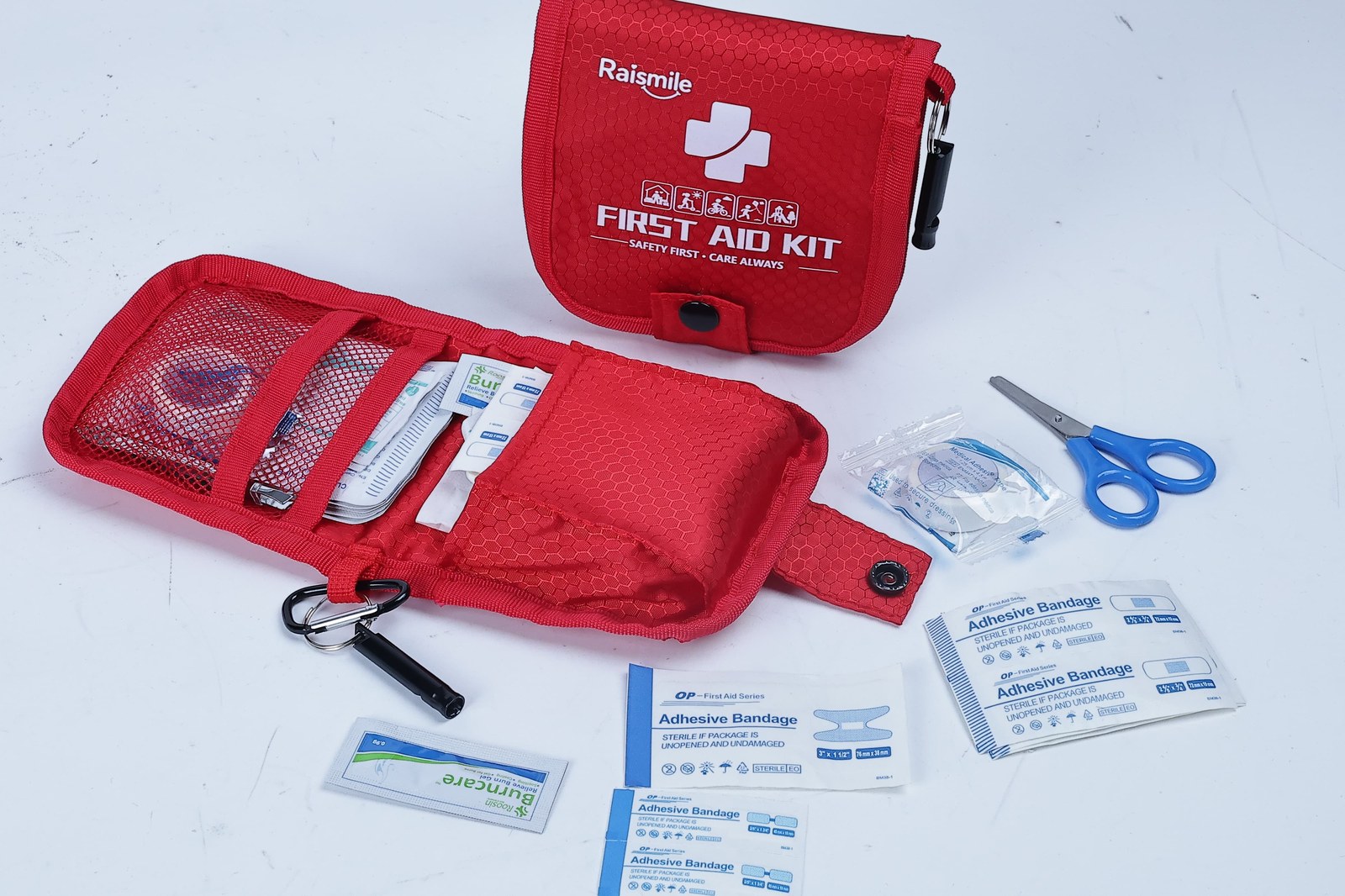
Compare Three Commercial Routes
For this comparison, private label means a supplier-produced configuration with agreed branding. Stock branding means an existing finished configuration with limited artwork changes.
| Route | Cost profile | Main responsibilities to resolve | Launch considerations |
|---|---|---|---|
| In-house assembly | Separate component orders plus internal labor and controls | Assembly process, component compatibility, traceability and regulatory role | Can support small experiments when supplies and required processes are ready |
| Private label | Finished-kit pricing plus project setup and agreed buyer costs | Manufacturer/assembler roles, branded model documents and change approval | Depends on sample approval, production, market readiness and freight |
| Existing stock with limited branding | Stock price plus permitted branding work | Label changes, stock identity and remaining shelf life | Can be quick when suitable stock and documentation are available |
ORI-POWER's private-label page describes existing product platforms and MOQ support from 500-1,000 sets. That provides a starting point for a quotation below 5,000 units annually. Confirm the minimum for each model, color and packaging version before using it in the cost model.
How to Make Your Own First Aid Kit for Home, Travel and Hiking Programs
For a commercial range, define intended users, trip duration, group size, environment and access to help before choosing quantities.
| Program | Core planning priorities | Packaging priorities |
|---|---|---|
| Home | Family needs, clear identification and straightforward replenishment | Organized compartments, readable labels and accessible storage |
| Travel | Destination, duration, activities and personal health needs | Compact layout, protected contents and convenient access |
| Hiking | Route, group size, blister care, weather and distance from assistance | Low weight, secure retention and suitable moisture protection |
A starting assortment may include adhesive dressings, sterile gauze, absorbent dressings, tape, bandages, gloves, tweezers and first aid instructions. Quantities and additions depend on the program. The American Red Cross recommends personalizing supplies and regularly replacing used or expired contents.
For saleable kits, evaluate medicines and antiseptic products through their applicable market requirements before adding them to the bill of materials.
Make Your Own First Aid Kit for Hiking vs Make Your Own Hiking First Aid Kit: Same List?
These phrases describe the same general search intent. The useful distinction comes from the outing.
A short local walk and a multi-day remote hike differ in replenishment opportunities, carrying capacity and access to assistance. National Park Service guidance includes first aid supplies within the Ten Essentials, with planning adapted to the trip.
When you make your own first aid kit for hiking, assess blister-care supplies, dressing quantities, glove sizing, pack durability and the users' training. Confirm any water-resistance claim against the complete carrier and its closure.
For brands, test a packed prototype. Check whether items can be found quickly and whether movement or overpacking damages wrappers. Record the results before approving the production layout.
First Aid Kit Make Your Own: Sourcing, Kitting and Compliance Gaps
For a "first aid kit make your own" project intended for resale, establish responsibility for the finished product before committing to packaging.
In the US, FDA registration and listing requirements depend on an establishment's actual activities. Manufacturers, specification developers and repackagers or relabelers can have obligations that differ from those of a wholesale distributor. Determine the role your operation performs and the product's applicable market route.
For EU kits qualifying as systems or procedure packs under MDR Article 22, the assembler must address compatibility, supplied information and the required statement. Combinations outside that route can require conformity assessment as a device in their own right. Branding arrangements can also affect responsibilities under Article 16.
Build a Production Record You Can Use Again
| Record | What to retain |
|---|---|
| Approved bill of materials | Component identity, dimensions, quantity, sterile status and approved substitutions |
| Receipt and lot records | Supplier, component lot, quantity, condition and relevant expiry information |
| Assembly record | Finished-kit batch linked to the component lots used |
| Artwork approval | Label, instructions, language and packaging revision |
| Inspection and release | Acceptance criteria, findings, corrections and release decision |
| Change history | Review and approval of material, supplier, labeling or contents changes |
Keep individual sterile barriers intact during assembly. Review the relationship between component dates, any finished-kit date claim and the remaining shelf life promised to the buyer.
Plan purchases using observed usable yield. If a project needs 2,000 identical dressings and pilot data show a 98% usable yield, the calculated requirement is 2,000 / 0.98, rounded up to 2,041 units, before supplier pack-size rounding. The 2% figure is a hypothetical input. Track actual damage, rework and expiry separately.
ORI-POWER's OEM/ODM offering includes label coordination, applicable UDI and lot tracking, production records and a process extending from prototype review to replenishment. Ask which records and responsibilities are included in the quotation so the cost comparison reflects the work your own team would otherwise perform.
How to Make Your Own Travel First Aid Kit and Make Your Own First Aid Kit for Your Home
For personal preparation, begin with a basic kit and adapt it to the people using it.
To make your own first aid kit for your home, select an accessible storage location, organize supplies by use, include emergency contacts and schedule regular contents checks. The Red Cross's family-kit guidance is a useful starting point.
For how to make your own travel first aid kit, consider the destination, length of travel, planned activities and access to care. CDC guidance also considers personal medicines and medical history. Discuss individual medicine needs with a healthcare professional and check destination restrictions.
Brands can use those questions to define a home or travel product brief. The commercially supplied contents and claims still need their own approval.
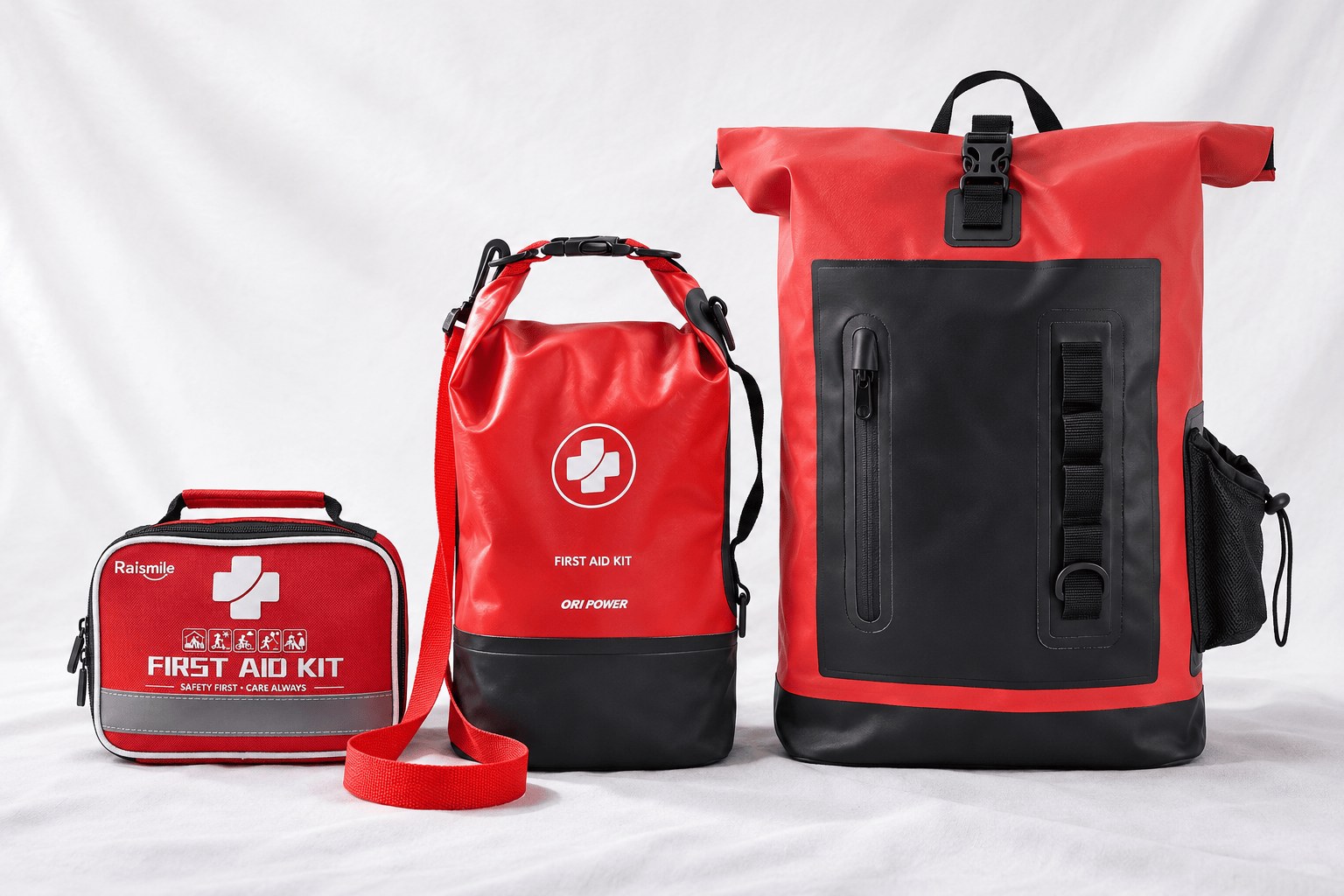
Where ORI-POWER Can Help Reduce Project Work
ORI-POWER reports 14+ years of experience and a 15,000 m² facility, with capabilities covering selected medical consumables, textile carriers, plastic cases and kit assembly. For a growing brand, this creates an opportunity to coordinate the container, contents and packaging within one manufacturing project.
Translate those capabilities into specific quotation items:
| Project task | ORI-POWER capability to discuss | Buyer's decision |
|---|---|---|
| Develop the initial assortment | Existing private-label product platforms | Confirm fit with users, market and sales channel |
| Adapt the carrier and contents | Materials, layout and component customization | Approve the packed sample and specification |
| Prepare retail presentation | Labels, instructions, cartons and barcode support | Approve language, claims and artwork |
| Maintain repeat-order consistency | Documented project workflow and replenishment support | Agree change control, lead time and minimum shelf life |
These capabilities may reduce internal coordination and development work. Measure that value through the tasks included in the proposal, the sample results and the contract terms. Unit cost, available inventory and launch timing still need a model-specific comparison.
Frequently Asked Questions
What certification do I need if I assemble kits myself?
The answer depends on the target country, contents, intended use and activities you perform. For commercial US supply, assess establishment and device obligations. For EU supply, determine the applicable MDR route and responsible entities. Obtain product-specific advice before printing conformity claims.
What loss rate should I budget for?
Measure a pilot run. Separate damaged wrappers, count errors, rework, obsolete packaging and expiry losses. Use that evidence to build the allowance and update it after production.
At what quantity does private label become cheaper?
Calculate the crossover from comparable quotations. In this article's hypothetical model, it is 800 accepted kits. A change in packing time alone moves it to 2,000. MOQ, price tiers and sell-through can change the practical decision further.
Can I start with a stock kit and customize later?
An established configuration can support an initial launch when its intended use and market documentation fit. Agree the change process for later alterations to contents, carrier, labeling or identifiers.
What should I send ORI-POWER for a cost comparison?
Provide the target market, application, contents list, dimensions, annual demand, order quantity per SKU, packaging preferences and delivery location. Request separate setup charges, unit prices, inspection scope, freight assumptions and refill terms.
Compare Your First Aid Kit Project with ORI-POWER
Prepare one approved specification and ask for both an established private-label option and any custom configuration you need. Compare each proposal against your own component purchases, measured assembly time, quality work, inventory exposure and delivery costs.
Request a project-specific cost comparison and sample plan through Private Label First Aid Kits, or explore structural and contents customization through OEM/ODM First Aid Kits.
Request a project-specific cost comparison and sample plan for your kit project.
Send an InquirySources
- American Red Cross — Make a First Aid Kit
- US National Park Service — Ten Essentials
- CDC Yellow Book — Travel Health Kits
- ORI-POWER — Private Label First Aid Kits
- FDA — Who Must Register, List and Pay the Fee
- EUR-Lex — Medical Device Regulation, Articles 16 and 22
- ORI-POWER — OEM/ODM First Aid Kits
- ORI-POWER — Manufacturing and Product Capabilities