Everything You Need to Know About DIN 13164 Compliant Car First Aid Kits with ORI POWER
As we navigate today's roads, a car first aid kit isn't just another accessory; it's a critical safety component that can truly make a difference in an emergency. We often think of accidents as something that happens to others, but preparedness is paramount for everyone on the road. Specifically, understanding and choosing a kit that meets the DIN 13164 standard is vital, as it's a recognized benchmark for readiness across many regions.
At ORI POWER, we understand the importance of immediate, effective care during unexpected incidents. That's why we champion first aid kits that adhere to rigorous standards like DIN 13164. This standard ensures that your kit isn't just present but equipped with the right components to address common injuries before professional medical help arrives.
Join us as we explore everything you need to know about DIN 13164 compliant car first aid kits, from what makes them essential to the specific contents and why they are designed the way they are. Our goal is to empower you with the knowledge to select and maintain a kit that truly provides peace of mind on every journey.
Key Takeaways
| Aspect | Key Insight |
|---|---|
| Essential Nature | A car first aid kit is not merely a recommendation but a crucial piece of safety equipment. Having one can significantly improve outcomes in the critical minutes after an accident, before emergency services arrive. |
| The DIN 13164 Standard | This German-engineered standard is a globally recognized benchmark for vehicle first aid kits. It specifies the exact quantity and quality of contents, ensuring you have a comprehensive set of tools for common road injuries. |
| Core Components | A DIN 13164 kit is built around three pillars: managing bleeding (hemostatics), cleaning and dressing wounds, and essential auxiliary tools like scissors and emergency blankets. This structure ensures a comprehensive response capability. |
| Legal & Practical Aspects | While mandatory in many European countries, a DIN 13164 kit is a best-practice choice globally. Its thoughtful design, clear labeling, and focus on usability make it superior for real-world emergencies, going beyond simple compliance. |
| Maintenance is Key | Owning a kit is only the first step. Regular maintenance, checking for expired items, and ensuring it's stored correctly (away from extreme temperatures) are vital for it to be effective when needed. |
Understanding the Foundation: What is DIN 13164 and Why it Matters for Your Safety
In the complex world of automotive safety, some elements are straightforward yet profoundly important. A fire extinguisher, a spare tire, and a first aid kit are fundamental components of vehicle preparedness. This section delves into the "what" and "why" behind the DIN 13164 standard, a crucial benchmark that elevates a simple box of bandages into a life-saving tool.
The Mandate for Safety: Why Car First Aid Kits are Essential
Emergencies on the road are unpredictable and can happen to anyone, anywhere. According to the National Highway Traffic Safety Administration (NHTSA), millions of motor vehicle crashes occur each year, and while not all result in serious injury, being prepared is a critical aspect of road safety. A first aid kit is not just a container of supplies; it's a vital resource that empowers you to take immediate action.
The first few minutes after an accident are often the most critical. Emergency medical services (EMS) response times can vary significantly based on location, from 8-10 minutes in urban areas to over 30 minutes in rural settings. Research shows that reducing crash response times by even a minute or two can save hundreds of lives annually in the US. During this crucial window, having a well-stocked first aid kit can be the difference between a minor injury and a life-threatening complication. Immediate intervention can help control bleeding, prevent infections, and stabilize a victim until professional help arrives.
Beyond catastrophic accidents, a car first aid kit proves invaluable in countless everyday situations:
- Minor Injuries: Scrapes, cuts, and burns from roadside repairs or travel activities can be treated promptly, preventing infection and discomfort.
- Travel-Related Ailments: A kit can help manage unexpected issues like allergic reactions from insect stings or burns from hot vehicle components.
- Peace of Mind: Knowing you are prepared for minor medical emergencies provides psychological confidence for both the driver and passengers, reducing stress during unexpected events.
Ultimately, a first aid kit is a fundamental component of any vehicle emergency kit. It's a proactive measure that equips you to handle unforeseen events, ensuring you can provide care when it matters most.
Global Recognition: How the DIN 13164 Standard Sets the Benchmark for Vehicle First Aid
Not all first aid kits are created equal. To ensure effectiveness, many countries and industries rely on specific standards, and for vehicle safety, one of the most respected is DIN 13164.
What is DIN? DIN stands for "Deutsches Institut für Normung," or the German Institute for Standardization. Founded in Berlin in 1917, its original purpose was to create standards that would ensure quality and improve global trade. Today, DIN is an independent, non-profit organization with over 40,000 experts contributing to its projects. DIN standards cover a vast range of industries and are designed to ensure product quality, safety, and interoperability. One of its earliest and most famous standards, DIN 476, defined the A-series of paper sizes (like A4), which is now an international standard.
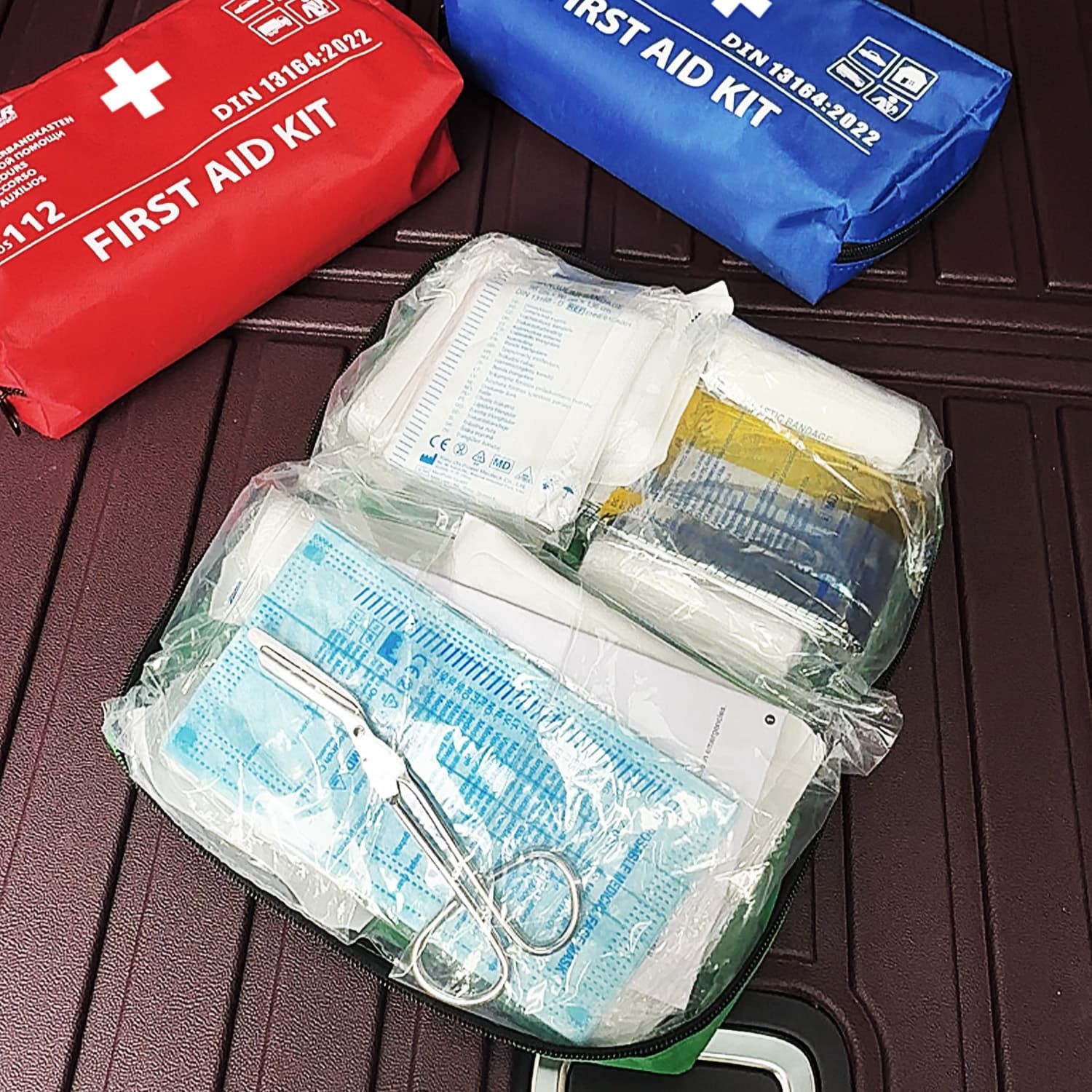
The DIN 13164 Standard DIN 13164 specifically outlines the minimum requirements for first aid kits used in motor vehicles. It originated in Germany but has become the de facto standard for vehicle first aid across the European Union and is referenced in tenders for vehicle and workplace kits in regions like the Middle East (GCC). This standard is not just a suggestion but a legally binding requirement in Germany and several other European countries, where its absence can lead to fines during a traffic stop.
The key features of DIN 13164 are its precision and comprehensiveness:
- Specific Contents: The standard dictates the exact type and quantity of every single item, from a specific number of adhesive bandages of various sizes to multiple types of compresses and bandages.
- Quality and Performance: It goes beyond just listing items by implying quality specifications. For example, sterile components are treated as individual medical devices that must meet regulatory requirements like CE marking in Europe.
- Purpose-Driven Design: The contents are optimally adapted to address the typical injuries that occur in vehicle accidents, such as significant bleeding and wounds requiring immediate dressing.
The standard is also periodically reviewed and updated. The most recent version, DIN 13164:2022, introduced the requirement of two medical face masks in response to public health needs, while removing or changing quantities of other items based on expert recommendations. This ensures the standard remains relevant and reflects the latest best practices in emergency care.
Beyond Compliance: Ensuring True Preparedness with DIN 13164
Complying with a standard like DIN 13164 is one thing, but achieving true preparedness is another. Safety compliance laws ensure that products meet established standards to protect the public, but the ultimate goal is to enhance safety in the real world. A DIN 13164-compliant kit achieves this by moving beyond a simple checklist and focusing on practical usability and effectiveness.
The difference between a generic, non-standardized kit and a DIN 13164 kit lies in its engineering as a complete response system.
- Engineered for Emergencies: The contents are not arbitrary. They are a curated collection designed to work together to manage trauma. The inclusion of multiple types of bandages, compresses, and fixation materials provides a layered approach to wound care.
- Clarity and Confidence: A standardized kit removes the guesswork. In a high-stress situation, you don't have to wonder if you have the right tool. The layout and contents are predictable and reliable, which is critical for a swift response.
- Beyond the Minimum: While the standard sets a minimum, it also serves as a robust foundation. It ensures that every driver has access to a comprehensive set of tools, from wound dressings and bandages to an emergency blanket and first aid scissors.
Ultimately, having a DIN 13164 compliant kit means you are not just meeting a potential legal requirement; you are investing in a system meticulously designed for emergency response. It provides peace of mind, knowing that your vehicle is equipped with a reliable, high-quality set of tools ready to be deployed when seconds count. This proactive approach to safety is the essence of true preparedness on the road.
Deconstructing the DIN 13164 Kit: Core Components for Emergency Response
The true value of a DIN 13164 first aid kit lies in its meticulously planned contents. It’s not a random assortment of medical supplies; it is a comprehensive system designed to manage the most common and critical injuries that can occur in a vehicle-related incident. Each item has a specific purpose, contributing to a layered response that covers everything from severe bleeding to minor scrapes.
Stopping the Bleed: Life-Saving Hemostatic Essentials in a DIN 13164 Kit
Uncontrolled bleeding is one of the most immediate threats to life following a traumatic injury. A DIN 13164 kit is specifically equipped with a range of materials designed to apply pressure and control hemorrhage effectively. These are often referred to as hemostatic essentials, as their primary role is to help stop bleeding.
The core of this capability comes from a series of pressure and dressing bandages:
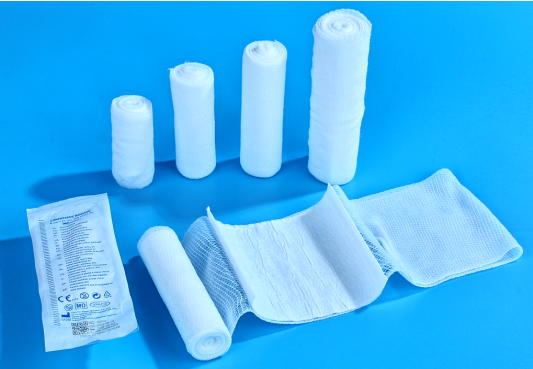
- Compression Bandages (DIN 13151): These are the workhorses of bleeding control. A DIN 13164 kit includes multiple compression bandages in different sizes (K, M, and G) to handle various wound scales. A compression bandage, also known as a pressure dressing, consists of a sterile, non-adherent pad attached to a roll of elastic bandage. This all-in-one design allows a rescuer to place the pad over the wound and wrap the elastic portion tightly around the limb or injury to apply direct, consistent pressure. This pressure helps slow blood flow and encourages the body's natural clotting process.
- Elastic Fixation Bandages (DIN 61634): To supplement the compression bandages or to hold separate sterile compresses in place, the kit contains several rolls of elastic or conforming bandages in 6cm and 8cm widths. These are crucial for securing dressings tightly, especially on joints or awkwardly shaped parts of the body, ensuring continuous pressure is maintained on a wound.
- Triangular Bandage (DIN 13168-D): This versatile piece of cloth is an essential tool. Its most common use in trauma is to create a sling to immobilize an injured arm or shoulder, but it can also be folded into a broad-fold bandage to apply pressure over a large area or to secure a splint.
While DIN 13164 kits focus on pressure-based methods, it's important to understand they are designed for immediate, layperson use. They do not typically contain advanced hemostatic agents like QuikClot (which uses minerals like zeolite to accelerate clotting) often found in military or professional trauma kits. Instead, the standard relies on the proven and universally understood principle of applying a sterile dressing and firm pressure, which is the foundational step in controlling most types of external bleeding.
Wound Care Essentials: Cleaning and Protecting Injuries with DIN 13164 Designated Items
Once bleeding is controlled, the next priority is to clean and protect the wound from contamination to prevent infection. The DIN 13164 standard provides a comprehensive set of materials for this purpose, covering everything from minor scrapes to larger abrasions.
Cleaning and Initial Protection:
- Skin Cleansing Wipes: The kit must contain two cleansing wipes. These are intended for cleaning intact skin around a wound before applying a dressing, helping to remove dirt and reduce the risk of introducing bacteria.
- Disposable Gloves (DIN EN 455): To protect both the victim and the rescuer, the kit includes four single-use gloves (two pairs). Using gloves is a critical step in preventing the transmission of infections.
Covering and Dressing Wounds:
- Sterile Compresses/Gauze Pads (10cm x 10cm): The kit includes six sterile compresses, typically bundled in pairs. These are highly absorbent pads applied directly to a wound to soak up blood and fluid, protect the area, and promote healing. They can be secured with adhesive tape or a fixation bandage to create a pressure dressing.
- Dressing Pad (DIN 13152-A): For larger wounds or burns, a large, sterile dressing pad (60cm x 80cm) is included. This can cover a significant surface area, providing a sterile barrier against contamination.
- Adhesive Plaster Set: For minor cuts and scrapes, a DIN 13164 kit contains an assorted set of 14 adhesive plasters. This set is thoughtfully designed to include various shapes and sizes, such as:
- Finger bandages (12cm x 2cm)
- Fingertip bandages
- Standard plaster strips (e.g., 1.9cm x 7.2cm and 2.5cm x 7.2cm)
- Larger adhesive bandages (10cm x 6cm)
This variety ensures that a properly sized and shaped dressing is available for common, smaller injuries that don't require a full compression bandage. The pads on these plasters are sterile and protect the wound while the adhesive secures it in place.
Essential Tools and Auxiliary Items Specified by DIN 13164
Beyond dressings and bandages, a properly equipped first aid kit requires specific tools and auxiliary items to enable effective and safe treatment. The DIN 13164 standard is explicit about these crucial support components.
Key Tools:
- First Aid Scissors (DIN 58279-A 145): A pair of quality scissors is mandatory. These aren't just any scissors; they are typically designed with blunt or rounded tips to prevent accidental injury to the victim when cutting away clothing, seatbelts, or bandages. Their robust construction ensures they can cut through denim or other tough materials in an emergency.
- Adhesive Tape (DIN 13019-A): A roll of adhesive medical tape (5m x 2.5cm) is included for securing dressings, compresses, or bandages that are not self-adherent. This is a fundamental tool for ensuring that dressings stay firmly in place over a wound.
Auxiliary and Protective Items:
- Rescue Blanket: Also known as a "space blanket" or emergency blanket, this thin, metallized sheet (160cm x 210cm) is a critical tool for preventing hypothermia, a major risk for trauma victims who may be in shock or losing blood. The blanket reflects the patient's body heat back to them, keeping them warm. It can also be reversed to provide shade and cooling in hot environments.
- Medical Face Masks (DIN EN 14683): As part of the 2022 update, the inclusion of two medical face masks became a requirement. This addition reflects modern hygiene standards, offering respiratory protection for both the rescuer and the victim during first aid administration.
- First Aid Booklet: Every DIN 13164 kit must include an instruction booklet. This guide provides basic first aid instructions, helping a layperson use the kit's contents correctly and confidently in a stressful situation. A table of contents is also required, allowing for quick identification of items.
Considering Medications and Beyond for Your DIN 13164 Compliant Kit
One of the most notable characteristics of a standard DIN 13164 first aid kit is the deliberate exclusion of medications. You will not find pain relievers, anti-inflammatories, or antiseptic creams in a compliant kit. There are several important reasons for this:
- Regulatory Complexity: Including medications introduces legal complexities, as regulations regarding their sale and use vary significantly. In many settings, particularly for commercial vehicles, dispensing medication is restricted.
- Allergies and Adverse Reactions: Administering medication like aspirin or ibuprofen to a stranger is risky. The person could have a serious allergy, a pre-existing condition (like a bleeding disorder), or be on other medication that could cause a dangerous interaction.
- Focus on Life-Saving Intervention: The primary goal of a roadside first aid kit is to address immediate, life-threatening injuries like severe bleeding and to protect wounds—not to manage symptoms or treat illnesses.
Can You Add Your Own Medications? For a personal vehicle, you can certainly supplement your DIN 13164 kit with a separate supply of over-the-counter (OTC) medications for personal use. However, these should be kept for yourself and your family, and you should be aware of everyone's medical needs and allergies.
Good additions for a personal medication pouch might include:
- Pain and fever relievers (e.g., acetaminophen, ibuprofen).
- Antihistamines for allergic reactions.
- Antidiarrheal medication.
- Any necessary personal prescription medications, ensuring they are clearly labeled and stored correctly.
When adding medications to your overall car emergency supplies, it's vital to check expiration dates regularly and store them properly to avoid extreme temperatures that can degrade their effectiveness. However, it's crucial to remember that the core DIN 13164 kit should remain compliant with the standard, and any added items should be stored separately to avoid confusion in an emergency.
Smart Design and Usability for Your DIN 13164 Compliant Kit
A first aid kit is only as effective as its user's ability to access and deploy its contents quickly and correctly. In a high-stress emergency, fumbling with a disorganized, poorly protected, or confusing kit wastes precious time. This is why the DIN 13164 standard and best practices in first aid kit design emphasize usability, organization, and clear guidance. A well-designed kit is an intuitive tool that empowers even a layperson to provide confident, effective care.
Optimized Organization: Modular Access for Rapid Response in a DIN 13164 Kit
In an emergency, every second counts. You don't have time to rummage through a cluttered bag of loose supplies. This is where modular organization becomes a critical design feature. Modular first aid kits group components by injury type or function, making it faster and easier to find what you need.
The Benefits of a Modular Approach:
- Faster Access: Instead of searching for individual items, you can grab a specific, injury-focused module. Some advanced modular systems use color-coding—for example, a red module for bleeding, a blue one for burns, and a green one for sprains. This allows for instant identification and action.
- Reduces Panic and Error: A clear, organized system helps a rescuer remain calm and focused. Knowing exactly where to find supplies for a specific injury reduces the cognitive load in a stressful situation, minimizing the risk of error.
- Intuitive for Untrained Users: While a DIN 13164 kit must contain an instructional booklet, a modular design is inherently more intuitive. A person with little to no first aid training can more easily understand a kit that is organized by function. For example, grabbing a pouch labeled "Bleeding Control" is much simpler than trying to remember the names of five different types of bandages.
- Simplified Restocking: Modular kits are significantly easier to maintain. After an incident, instead of performing a full inventory, you can simply see which modules have been opened and need to be refilled or replaced. This saves time and money and ensures the kit is always ready for the next emergency.
While the DIN 13164 standard itself doesn't mandate a specific modular layout, high-quality kits often adopt this design principle. The standard does require a list of contents, which is the first step toward organization. Well-designed kits take this further by using clear pockets, dividers, or separate pouches to keep items grouped logically, turning a compliant kit into a truly efficient response tool.
Protection and Accessibility: Sealing and Closure Principles for DIN 13164 Kits
A car is a harsh environment for medical supplies. Extreme temperatures, humidity, and physical impacts can degrade sterile packaging, weaken adhesives, and damage sensitive items. The container of a first aid kit is therefore not just for holding items, but for protecting them.
Key Container Characteristics:
- Durability: The case, whether it's a hard plastic box or a soft nylon bag, must be robust enough to withstand the rigors of being stored in a vehicle. It should protect the contents from being crushed or damaged.
- Protection from Elements: A quality kit should offer protection from dust, moisture, and dirt. Waterproof or water-resistant materials are essential, especially for drivers in wet climates or those who engage in outdoor activities. A good seal helps maintain the sterility of the contents and prevents degradation.
- Secure Closure: The kit must close securely to prevent contents from spilling out, but it must also be easy to open in an emergency. Zippers, latches, or buckles should be high-quality and reliable. Some kits use breakaway seals or tamper-evident tabs, which indicate if the kit has been opened and needs to be inspected or restocked.
The environment inside a car also poses a threat. High heat can cause adhesives on bandages to fail and can degrade certain ointments or wipes. While standard DIN 13164 kits avoid temperature-sensitive medications, it's still best practice to store the kit out of direct sunlight. Good storage locations include under a seat or in a trunk compartment, where temperatures are more stable.
Clear Guidance: Labeling and Instruction for Effective Use of Your DIN 13164 Kit
In the chaos of an emergency, clear communication is vital. The labeling on and within a first aid kit serves as a silent guide, helping the rescuer act with speed and confidence.
International Standards for Labeling: Globally, first aid equipment is identified by the ISO 7010 standard symbol E003: a white cross on a green background. This universally recognized symbol ensures that a first aid kit can be identified quickly by anyone, regardless of the language they speak. Using this symbol on the exterior of the kit is a crucial design feature.
Internal Labeling and Instructions:
- Contents List: As required by DIN 13164, a complete list of contents helps with both emergency use and regular inventory checks. A user can quickly verify what is in the kit, and a manager can easily see what needs restocking.
- Visual and Textual Instructions: The mandatory first aid booklet provides step-by-step guidance on how to treat common injuries using the kit's contents. This is invaluable for laypersons who may not have formal training. Some modern kits are even incorporating QR codes that link to instructional videos, which can be even more effective than text alone in an emergency. A 2023 study found that bystander success in applying a tourniquet increased significantly when they had access to video instructions versus text only.
- Clear Compartments: In well-designed kits, internal compartments or modules are clearly labeled, often with both text and pictograms, to indicate their purpose (e.g., "Wound Dressings," "Bandages").
Effective first aid training empowers individuals to act confidently in a crisis. However, even with training, people can forget steps under pressure. The combination of clear external labeling, an organized interior, and simple, direct instructions provides the necessary support to ensure the kit is used correctly and effectively, potentially making the difference between a temporary injury and a permanent disability.
Carry and Attachment: Ensuring Your DIN 13164 Kit is Always Ready and Accessible
A first aid kit is useless if you can't get to it when you need it. The final piece of the usability puzzle is its placement and security within the vehicle. A loose kit can become a dangerous projectile in a crash or get buried under luggage, delaying access.
Optimal Storage Locations:
- Under a Seat: Storing the kit under the driver's or front passenger's seat keeps it secure, out of the way, and quickly accessible from inside the cabin.
- Glove Compartment: A good spot for smaller, compact kits, the glove compartment provides immediate access for the driver.
- Secured in the Trunk: For larger kits, the trunk is a common location. However, it's crucial that the kit is secured. Many vehicles have built-in cargo nets, straps, or compartments that are perfect for this. Some kits also come with their own mounting hardware, like Velcro straps or brackets, allowing them to be attached firmly to the side of the trunk.
What to Avoid:
- Loose in the Cabin or Trunk: An unsecured kit is a safety hazard.
- Behind the Rear Window: This spot exposes the kit to direct sunlight and extreme temperatures, which can damage the contents.
- Buried Under Luggage: In an emergency, you need to be able to grab the kit in seconds, not after unloading your entire trunk.
Ultimately, every driver in the vehicle should know where the first aid kit is located and know that it is securely stored. This simple knowledge is part of being prepared and ensures that this life-saving tool is always ready for action.
Navigating the European Landscape: DIN 13164 and Other Standards for Vehicle Safety
Navigating the roads of Europe requires more than just a valid driver's license and a map. Each country has its own set of rules for vehicle safety equipment, and a first aid kit is often a critical component. For international drivers, understanding these regulations is key to avoiding fines and ensuring preparedness. The DIN 13164 standard, originating in Germany, has become a central piece of this puzzle, serving as a widely recognized benchmark across the continent.
European Mandates: Where is a DIN 13164 Compliant Kit Required for Your Vehicle?
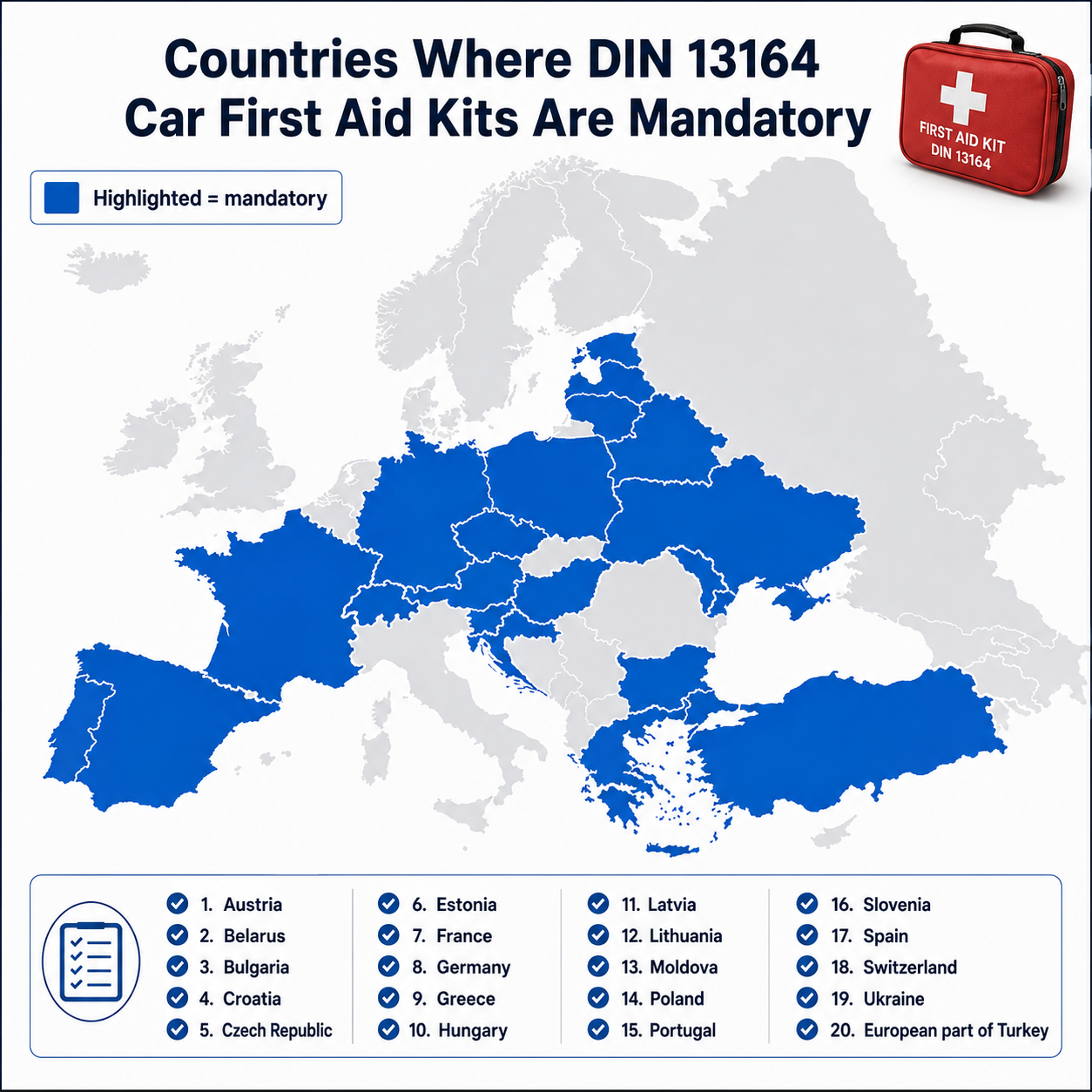
While carrying a first aid kit is a wise decision for any driver, in many European countries, it is a legal obligation. Failure to have a compliant kit on board during a roadside check can result in on-the-spot fines. The DIN 13164 standard is frequently the law of the land, especially in Central and Eastern Europe.
Countries where a DIN 13164 compliant first aid kit is typically mandatory for private vehicles include:
- Germany: As the origin of the standard, Germany strictly enforces this requirement.
- Austria: Like its neighbor, Austria mandates a DIN 13164 compliant kit.
- Czech Republic: This is another country where carrying the specified kit is a legal requirement.
- Greece: As of June 18, 2026, Greece updated its regulations to mandate that all car first aid kits must comply with DIN 13164:2022. This replaced an outdated rule from 1978 and failure to comply can result in a fine.
- Other Mandatory Countries: The list of countries requiring a vehicle first aid kit that often aligns with DIN 13164 also includes Belgium, Bulgaria, Croatia, Estonia, Hungary, Latvia, Lithuania, Poland, Slovenia, and Slovakia. Several non-EU countries like Switzerland, Turkey, and Ukraine also have this requirement.
It's important to note that while a country like France requires a first aid kit, the regulations might be less specific than the full DIN 13164 standard. However, carrying a DIN 13164 kit ensures you meet or exceed the requirements in nearly all situations. In contrast, countries like the UK, Italy, and Spain do not legally require private cars to carry a first aid kit, though it is highly recommended. For drivers crossing multiple borders, a DIN 13164 kit is the safest and simplest way to guarantee compliance and peace of mind.
Comparing Standards: DIN 13164 Versus Other National Requirements (e.g., BS 8599)
While DIN 13164 is a dominant standard in Europe for vehicles, other standards exist, particularly for workplace and specific national contexts. Understanding the differences highlights the unique purpose of each.
DIN 13164 vs. BS 8599-2 (United Kingdom): The UK uses the British Standard BS 8599 for first aid kits. It's divided into two main parts: BS 8599-1 for workplaces and BS 8599-2 for motor vehicles.
- Primary Application: DIN 13164 is a vehicle-specific standard that has become a de facto European baseline. BS 8599-2 is designed specifically for UK vehicles.
- Contents Focus: Both standards cover basic wound care, but their compositions differ. BS 8599-2 kits are often more focused on trauma, including items like trauma dressings for more severe injuries. The contents of a DIN 13164 kit are meticulously listed with specific quantities of various bandages and plasters tailored to common road accident injuries.
- Legal Status: In Germany, DIN 13164 is legally mandated for private vehicles. In the UK, carrying a first aid kit in a personal car is not a legal requirement, but BS 8599-2 provides a recognized guideline for doing so. For commercial vehicles, both regions have stricter, often workplace-related standards (like DIN 13157 in Germany).
DIN 13164 vs. ANSI/ISEA Z308.1 (United States): The primary standard for first aid kits in the U.S. is ANSI/ISEA Z308.1, which is focused on workplace safety. There is no federally mandated standard for first aid kits in private vehicles in the US.
- Kit Classification: The ANSI standard is divided into two main categories: Class A for lower-risk environments (like offices) and Class B for higher-risk environments (like construction sites).
- Contents: While both DIN and ANSI kits contain basics like bandages and antiseptics, there are key differences. ANSI Class B kits, designed for high-risk workplaces, are required to include items like a tourniquet and a splint, which are not part of the DIN 13164 standard. Conversely, DIN 13164 often specifies a wider variety of dressing and bandage sizes.
- Regulatory Context: DIN 13164 is directly referenced in European traffic law. ANSI Z308.1 is a voluntary standard in the U.S., but it is referenced by OSHA as the primary guide for workplace first aid compliance.
These comparisons show that DIN 13164 is expertly tailored for its specific purpose: providing a standardized, legally compliant, and effective first aid solution for common vehicle emergencies across Europe.
Staying Current: Maintenance, Storage, and Shelf Life for Your DIN 13164 Kit
Owning a first aid kit is only the first step; maintaining it is a continuous responsibility. A kit with expired or damaged supplies can provide a false sense of security and may fail in an emergency.
Understanding Expiration Dates: A first aid kit does not expire as a whole unit, but its individual sterile components do.
- Sterile Items: Items like wound dressings, compresses, and bandages are sealed to prevent contamination. Over time, these seals can degrade, compromising their sterility. These items typically have a shelf life of around 4-5 years from the date of manufacture. The expiration date is printed on the packaging of each sterile item.
- Adhesives: The adhesive on plasters and tapes can lose its stickiness over time, especially when exposed to temperature fluctuations in a car. It's a good idea to replace adhesive items every few years, even if they look fine.
- Wipes and Creams: Antiseptic wipes can dry out, and any active ingredients in creams can lose their potency. These usually have a shorter shelf life of 2-3 years.
Inspection and Maintenance Routine: It is crucial to inspect your vehicle's first aid kit at least once a year. A good practice is to set a recurring calendar reminder.
- Check Expiration Dates: Go through all sterile items and anything with a printed date. Dispose of and replace anything that has expired. Many manufacturers sell refill packs to make this process easier and more cost-effective.
- Inspect for Damage: Check that all packaging is intact and undamaged. Discard any items with torn, discolored, or wet packaging.
- Replenish Used Supplies: Immediately replace any items you have used from the kit. An incomplete kit cannot serve its purpose.
Proper Storage: How you store your kit is just as important as maintaining it. A car's interior can experience extreme temperature swings, from freezing in the winter to scorching hot in the summer.
- Avoid Direct Sunlight: Never leave the kit on the dashboard or rear parcel shelf.
- Choose a Stable Location: Ideal spots are under a front seat or in a designated compartment in the trunk. These locations are shielded from direct sun and experience less extreme temperature fluctuations.
- Ensure Accessibility: Make sure the kit is stored where it can be reached quickly in an emergency and is not buried under luggage or other items.
By following a simple routine of inspection and proper storage, you can ensure your DIN 13164 compliant first aid kit remains a reliable and effective life-saving tool for its entire service life.
Frequently Asked Questions (FAQ)
Q1: What is the main purpose of the DIN 13164 standard? A1: The DIN 13164 standard is a German technical specification that defines the precise contents, quantities, and quality of items required in a motor vehicle first aid kit. Its primary purpose is to ensure that every driver has a standardized, comprehensive set of materials to provide effective first aid for common road accident injuries until professional medical help arrives. It is a legal requirement in many European countries.
Q2: How often should I check and replace items in my DIN 13164 car first aid kit? A2: You should inspect your first aid kit at least once a year. During this check, you need to look for any used supplies that need replenishing and, most importantly, check the expiration dates on all sterile items like dressings, compresses, and wipes. These items typically have a shelf life of 4-5 years. Any expired or damaged items should be replaced immediately to ensure the kit is always ready for an emergency.
Q3: Can I add my own medications, like painkillers, to a DIN 13164 kit? A3: Standard DIN 13164 kits do not include medications to avoid issues with allergies, adverse reactions, and legal regulations. For personal use, you can absolutely create a separate, small pouch with over-the-counter medications like ibuprofen or acetaminophen, antihistamines, and any personal prescriptions. This should be stored alongside your DIN kit but kept distinct to maintain the kit's compliance and prevent confusion.
Q4: Is a DIN 13164 kit mandatory in the UK or the USA? A4: No, a DIN 13164 kit is not mandatory for private vehicles in the United Kingdom or the United States. The UK recommends the BS 8599-2 standard for vehicle kits, though it's not a legal requirement for personal cars. The USA does not have a federal standard for personal vehicle first aid kits, but the ANSI/ISEA Z308.1 standard is used for workplace kits. However, for anyone planning to drive in continental Europe, a DIN 13164 kit is the best way to ensure compliance across multiple countries.
Q5: What are the most critical components inside a DIN 13164 kit? A5: The kit is designed as a system, but some of the most critical components are those for controlling severe bleeding. This includes multiple sizes of compression bandages (pressure dressings), sterile dressing pads, and elastic fixation bandages. These items work together to apply direct pressure to a wound, which is the most effective way for a layperson to stop life-threatening hemorrhage. The rescue blanket, for preventing shock and hypothermia, is also a vital component.
By understanding the comprehensive requirements of the DIN 13164 standard, we can move beyond just fulfilling a legal obligation. We are, in fact, equipping ourselves and our loved ones with a tool designed for real-world emergencies, ensuring that vital aid can be administered swiftly and effectively when every second counts.
A truly effective first aid kit, especially one compliant with DIN 13164, is a testament to thoughtful design and a commitment to safety. Remember, owning the kit is just the first step; knowing its contents, appreciating its design, and maintaining its readiness are equally crucial for saving lives on the road.
We encourage you to prioritize your road safety by choosing a reliable, DIN 13164 compliant car first aid kit. It's an investment in your peace of mind and the well-being of those around you. Drive safely, and be prepared