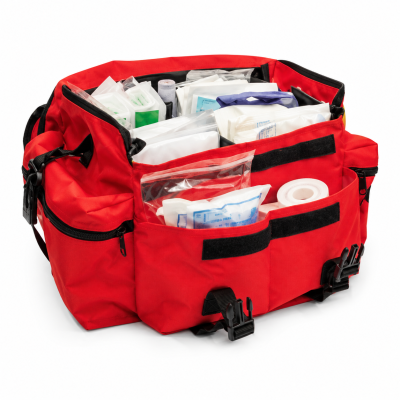
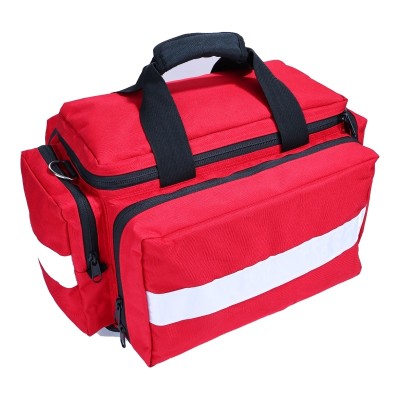
ANSI Z308.1 Workplace First Aid Kit Guide: Requirements, Classes and How to Choose the Right Kit
Workplace injuries can happen at any time, from minor cuts and burns to incidents that require immediate medical attention. A properly equipped workplace first aid kit helps organizations deliver rapid initial care before professional medical support arrives. For companies operating in the United States, the ANSI Z308.1 Workplace First Aid Kit Standard provides recognized guidance on the minimum requirements for first aid kits and supplies used in workplaces. Choosing the right kit is not just about picking a box of medical supplies: businesses need to weigh workplace hazards, employee numbers, industry requirements, and compliance expectations. Quick answer: ANSI Z308.1 defines minimum performance requirements for workplace first aid kits. Class A kits suit low-risk settings, while Class B kits are built for higher-risk industrial environments. Matching the kit class to your workplace risk is the core of compliance. ANSI Z308.1 is an American National Standard that sets the minimum performance requirements for workplace first aid kits and supplies. The standard focuses on required first aid supplies, minimum quantities, packaging requirements, performance specifications, and product labeling and identification. Its purpose is to help workplaces keep accessible first aid resources for common injuries such as cuts and abrasions, minor burns, eye injuries, sprains and strains, and small puncture wounds. For businesses, selecting an ANSI Z308.1 compliant workplace first aid kit helps create a safer working environment and supports a credible response plan. Different workplaces carry different levels of risk. A small office may mainly encounter paper cuts, minor scratches, and small burns, while industrial environments may face machinery-related injuries, sharp object injuries, chemical exposure, and heavy equipment accidents. A standardized first aid kit ensures employees have immediate access to essential supplies regardless of the setting. Factories, assembly lines, and production workshops need wound treatment, burn care, protective gloves, and larger dressing supplies. Handling injuries, falling objects, and packaging cuts call for wall-mounted stations, portable kits, and high-capacity refill systems. Cuts, falls, and impact injuries mean construction sites often require more comprehensive first aid solutions. Compact first aid kits with easy accessibility and employee-sized configurations are the typical requirement. ANSI Z308.1 workplace kits are generally divided into two categories. The distinction helps buyers match kit contents to the real risks employees face. Ready-made configurations can be compared directly in the ANSI/ISEA Z308.1-2021 Class A First Aid Kit and the ANSI/ISEA Z308.1-2021 Class B First Aid Kit. Although exact configurations vary with workplace requirements, typical workplace first aid supplies fall into four practical groups. The right mix depends on the number of employees, workplace hazards, industry type, location, and your emergency response plan. Refill components such as the 50PC adhesive bandage refill pack and the cleansing & antiseptic wipes refill box help keep a kit compliant over time. Adhesive bandages, sterile gauze pads, wound dressings, and medical tape. Antiseptic cleansing wipes, disposable gloves, and eye protection supplies. Burn dressings and burn treatment supplies for thermal injuries. Scissors, tweezers, first aid instructions, and an emergency blanket. Before purchasing, evaluate a few practical factors so the kit matches both your risk profile and your workforce. Identify the most likely injuries, whether employees are exposed to machinery or chemicals, and whether the site is remote. This decides whether a Class A or Class B solution fits. A small office may need a compact kit such as the 10-person workplace kit, while a large facility may require higher-capacity options such as a 25-person kit or a 100-person kit, plus multiple stations and regular refill supplies. Choose between a wall-mounted cabinet for quick visibility, a reflective portable safety bag for workshops and mobile teams, or a large metal case for industrial settings. For distributors and brands, look at production capacity, quality management systems, customization capability, and compliance experience. Buyers who need to compare configurations in more depth can review the workplace first aid kit product range alongside the standard's requirements. For distributors, safety companies, and private brands, customized workplace first aid kits such as the industrial PP first aid box and the large workplace PP box provide more flexibility. Professional OEM solutions can include custom contents configured by industry, employee quantity, and market requirements; custom packaging across pouches, plastic cases, metal cabinets, and retail packaging; private label manufacturing for logos, labels, instructions, and packaging design; and long-term refill supply programs. A reliable manufacturer provides more than products. A complete supply partner supports product development from requirement analysis through configuration design, prototyping, testing, and mass production, and maintains ISO 9001 quality systems, ISO 13485 medical device quality management, and production inspection procedures. Experienced suppliers also help customers develop US workplace kits, European workplace kits, industrial safety solutions, and private label products. A workplace first aid kit is an essential part of every organization's emergency preparedness plan. Understanding the difference between ANSI Z308.1 Class A and Class B kits helps businesses select solutions that match their workplace risks. For distributors, safety companies, and brands, partnering with an experienced workplace first aid kit manufacturer brings reliable supply, custom configurations, compliance support, and long-term refill solutions.What Is the ANSI Z308.1 Workplace First Aid Kit Standard?
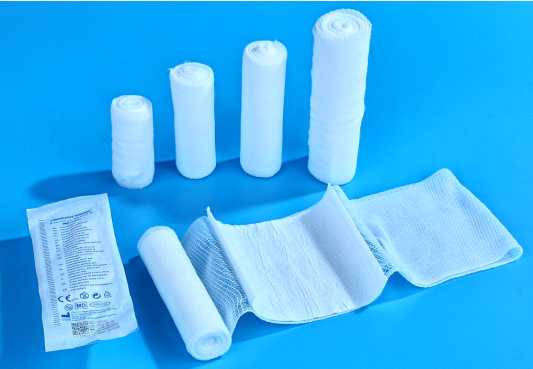
Why Businesses Need ANSI-Compliant First Aid Kits
Manufacturing Facilities
Warehouses & Logistics
Construction Sites
Offices & Commercial Buildings

ANSI Z308.1 Class A vs Class B First Aid Kits
Aspect
Class A
Class B
Designed for
Common, lower-risk workplace injuries
Higher-risk, industrial environments
Typical settings
Offices, retail stores, schools, small businesses
Manufacturing plants, construction sites, warehouses, heavy industry
Contents
Adhesive bandages, gauze pads, antiseptic wipes, gloves, burn supplies
Larger quantities plus additional trauma-related items and wound care products
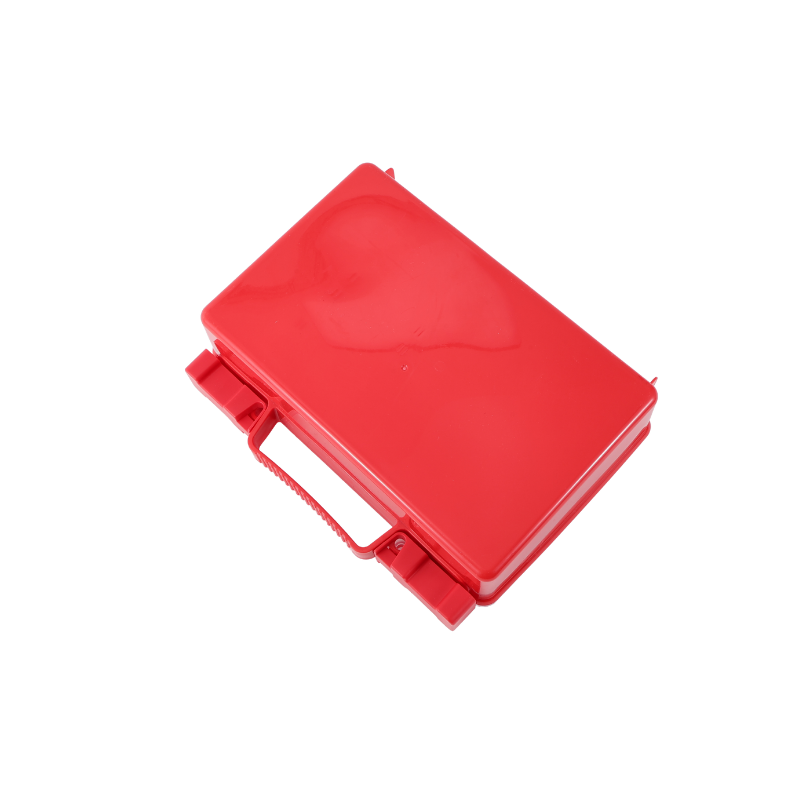
What Should Be Included in an ANSI Z308.1 Workplace First Aid Kit?
Wound Care Supplies
Cleaning & Protection
Burn Care
Supporting Items
How to Choose the Right Workplace First Aid Kit
Assess Workplace Risks
Consider Employee Numbers
Select the Storage Format
Choose a Reliable Manufacturer
OEM Workplace First Aid Kit Solutions for Global Markets
How a Professional Supplier Supports Your Business
Conclusion: Choosing the Right ANSI Z308.1 Workplace First Aid Kit